
The Allure of Gambling
The psychology behind casino gaming reveals a captivating landscape of human behavior and desire. Casinos are meticulously designed to create an enchanting atmosphere that entices players to engage in gaming activities. Bright lights, vibrant sounds, and the promise of winning money all contribute to an environment that stimulates excitement and anticipation. This multisensory experience plays a crucial role in drawing individuals into the gaming world, where they might indulge inbetting online and exploring different games.
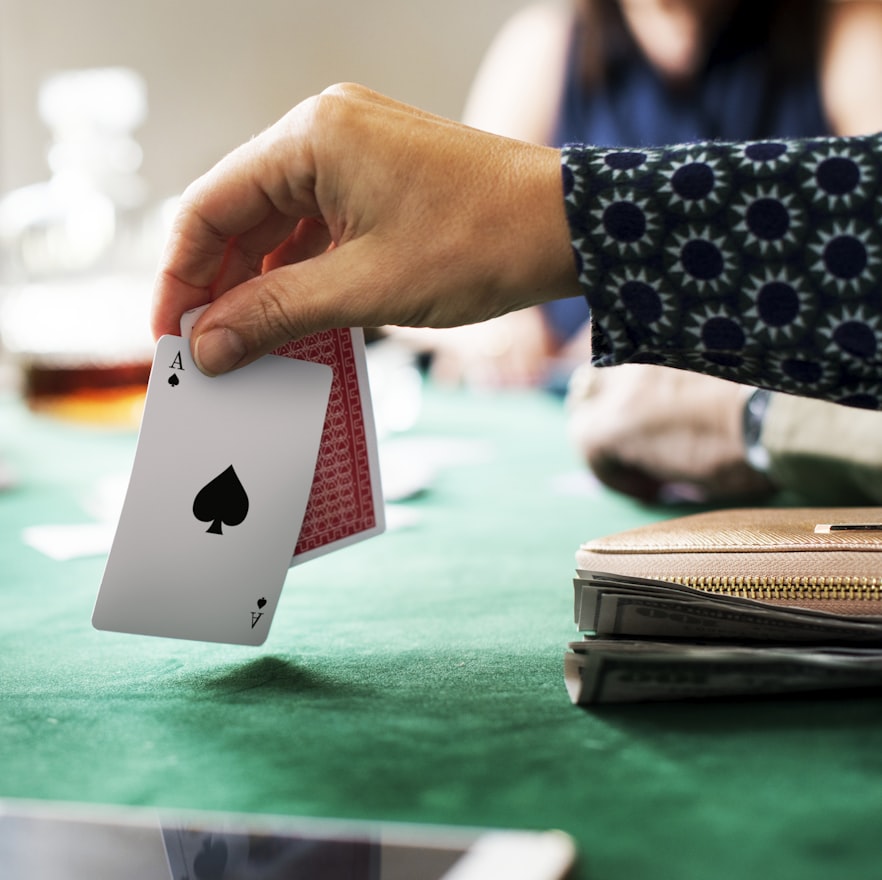
Moreover, the sporadic nature of wins and the potential for large payouts create a psychological condition known as “variable reinforcement.” This phenomenon keeps players engaged, as they may feel that a big win is just around the corner. The hope of a sudden financial windfall can lead to prolonged gambling sessions, often overriding rational judgment and personal limits.
The Role of Risk and Reward
Risk and reward play a fundamental role in the psychology of casino gaming. Many players thrive on the adrenaline rush that comes from taking chances. The brain releases dopamine, a neurotransmitter associated with pleasure and reward, during gambling activities, reinforcing the behavior. This reaction not only contributes to a player’s enjoyment but can also foster a desire to continue playing, even when losses accumulate.
Additionally, individuals often perceive risk as a challenge rather than a deterrent. This mindset can encourage people to gamble more, as they may believe that their skills or strategies will increase their chances of winning. Consequently, the interplay of risk and reward becomes a potent driver of gambling behavior, engaging both emotional and cognitive processes.
The Social Aspect of Gambling
Casino gaming is not just about individual experiences; it also has a strong social component. Many players enjoy the camaraderie that comes from gambling alongside friends or even strangers. Social interactions in casinos can enhance the overall experience, providing emotional support and shared excitement when hitting a jackpot or celebrating small wins.
Furthermore, the atmosphere of excitement and shared anticipation can create bonds among players. These social connections may lead individuals to gamble more frequently, as they seek to replicate the fun and thrill of shared experiences. The social aspect of gambling can significantly influence behavior, reinforcing the urge to participate in gaming activities.
Psychological Traps and Problem Gambling
While many enjoy gambling as a form of entertainment, the psychological elements can also lead to problematic behavior for some individuals. The illusion of control, where players believe they can influence the outcome of games, is a common cognitive distortion among gamblers. This false belief may result in increased gambling, even in the face of losses.
Additionally, factors such as emotional distress or seeking escapism can drive individuals to gamble excessively. In such cases, gambling becomes a coping mechanism rather than a recreational activity. Understanding the psychological traps that lead to problem gambling is vital for developing effective prevention and intervention strategies.
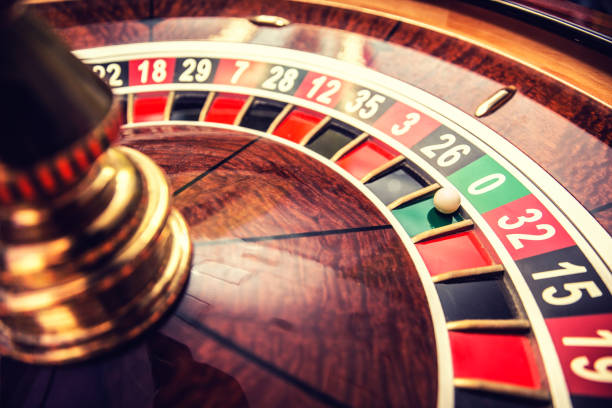
Conclusion: Understanding Casino Gaming Behavior
Exploring the psychology behind casino gaming behavior provides valuable insights into why individuals engage in gambling and the factors influencing their choices. From the excitement of risk and reward to the social dynamics at play, various elements work together to shape the gambling experience.
As we delve deeper into this fascinating topic, it’s essential to recognize the balance between enjoyment and responsible gaming. Websites like action2015.org aim to provide valuable resources and information, helping individuals navigate the complexities of gambling behavior while promoting safe and informed decision-making.
